

Where I've been
slipping into chronic illness & guiding myself back out of it

“and the second half of life begins. Passion now changes her face and is called duty; “I want” becomes the inexorable “I must,” and the turnings of the pathway that once brought surprise and discovery become dulled by custom. The wine has fermented and begins to settle and clear. Conservative tendencies develop if all goes well… The real motivations are sought and real discoveries are made… But these insights do not come to him easily; they are gained only through the severest shocks.”
— C. G. Jung
The window of time from late October last year until now — during which I have been utterly absent from my reading and writing practice here on Substack — has been the most physically and emotionally grueling time of my life. I said to my fiance the other week that I feel like I have been literally ground, literally whittled to my core. Suffering does not titrate evenly over time; some periods condense within them an unparalleled magnitude of labour. Childbirth is the crowning example; as are births of the spirit.
Without going into too many of the specifics (it all feels too fresh to put into words but I plan to share more details moving forward), these past months have seen me slipping into what people now call “chronic illness” — and pulling myself gently but surely back out again. I certainly don’t identify with the term “chronic” but it’s what we slap on any condition, cluster of symptoms or state of dis-ease for which we don’t have easy (uni-variate, patented, profitable) solutions.
I’ll map out my “disease” development and symptom profile more fully in future essays if anyone is interested, but basically I was diagnosed with POTS, dysautonomia, nervous system dysfunction, or what some cardiologists call “neuro-cardio-genic syncope.” It’s not a diagnosis, it’s a diagnosis-of-exclusion. Meaning it’s the thing they say you have if you’ve done every other test in the book (aka. more blood-tests in 3 months than I’ve had in a life-time) and nothing measurable is showing up in the results.
Dysautonomia doesn’t really mean you have something; it means you don’t have x, y, z. I didn’t have adrenal cancer, nor did I have thyroid disease, nor a structural abnormality in my heart; nor did anything show up in my brain MRI. On paper, I looked perfect, and yet I felt deeply unwell: full body inflammation, high resting heart rate, constant palpitations and intermittent adrenaline surges with dizziness, clamminess and tremors, severe sleep disturbances, peripheral neuropathy and fibromyalgic-like symptoms, to name the major ones.
But of course (how could it be otherwise), this period of dis-ease has also been one of radical expansion and enrichment for me on all accounts. I’ve always believed that illness is a deep gift, and that we bar ourselves from many blessings if we do not embrace illness and its lessons. Crises are uncomfortable but they are also profound opportunities. Sometimes a drastic upheaval is the only thing that will spur us on to the new growth we need and deserve, in ourselves, our families, as in the land and community.
In retrospect, this illness had already been running through me at “sub-clinical” levels for at least two years prior, since the unfortunately quite traumatic birth of my daughter (and probably much longer than that too, starting way back in my early childhood and even my ancestral history). I had seen minor symptoms rear their heads during the months after her birth, despite feeling generally quite well. I’d actually felt the most vital I had ever felt for the first year post-partum, so it was somewhat jarring that, as my daughter neared her second birthday, I came to experience one of the lowest lows of health in my life-time. It’s funny how these things can co-exist. The line between illness and health is thin, and that’s because they are ultimately one entity, in all of us, all the time.
Though I am leagues better now than I was 3 months ago — a point at which I believed, utterly distraught, that I would no longer be well enough to properly mother my child, let alone have another — I know I still have a fair way to go. In fact, I have a life-time of healing to keep doing, as I believe we all do.
Healing is a continuous process of self-renewal, self-discovery and expansion. It is a continuous, conscious, self-guided return to a state of wholeness — and there are all manner of things that fracture us, over and over again, from that wholeness. Healing means finding your why, every single day, to say yes to life and to embrace the joy that is always available no matter what physical symptoms or adversities are present. Healing is what I have come to see as a “probiotic” in action — not in the form of a capsule taken 3 times daily with food, but as a complete and self-generative affirmative approach to life.
In Greek, the word “probiotic” simply means “pro-life” (προ pro, βιωτικός fit for life, lively < ο βίος life). “Antibiotic,”on the other hand, means “anti life” or “against life.” And we all know, as well as any woman in the depths of child labour, that the fullest potential for life is irrevocably hitched to risk. Embracing life means embracing risk, including the risk of microbial infection; including the risk of illness and death.
Antibiotics1 work not by targeting a specific bacteria but by smothering them indiscriminately. Countless other forms of risk aversion work the same: they negate myopically, short-term, without fuller consideration of the whole on which they act, because they are instrumental and often uni-variate.
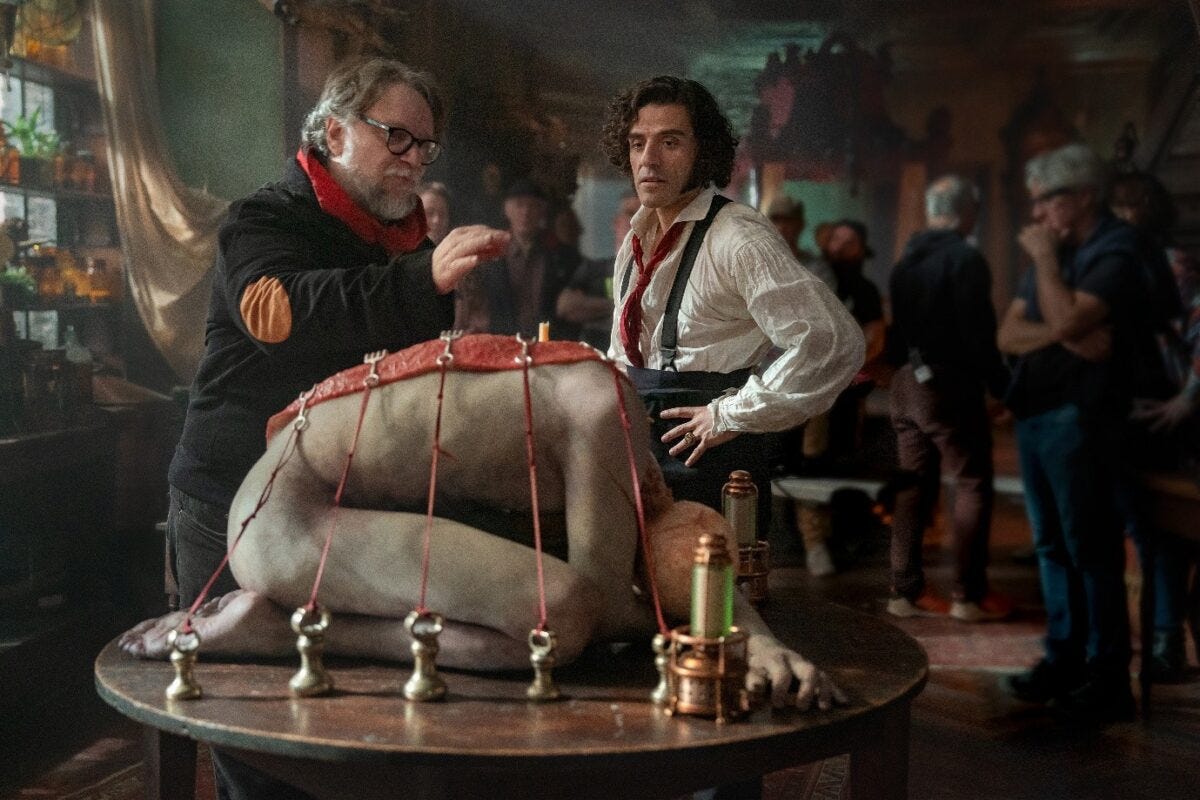
This is largely the way our society has learnt to cope in the broadest sense. Collectively, we cannot bear to walk that shaky line between life and death. We cannot deal with uncertainty. We see and treat life as a mechanism, or collection of mechanisms, which we believe we can isolate and act upon formulaically. But by mounting a blanket response to the faintest whisper of risk, supposedly in the interests of preserving life, we do so only by negating life altogether. Dr Frankenstein’s words in the most recent film adaptation are chillingly prophetic:
“In seeking life, I created death.”
Probiotics, on the other hand, embrace life by embracing risk. All ferments traverse that shaky line between reward and ruin, because the microbial force that fuels them is alive and wild. A batch of sourdough will devour itself if left too long. A batch of sour cream is especially sensitive to fermentation temperature. A batch of sauerkraut will grow mould if the cabbage slips above its anaerobic fermenting juices to meet the air. And all ferments are at the mercy of microbial invasion. But all of that liminal goodness, all of that embraced uncertainty, in the finished, successful ferment, has so much to give us. When we make and consume fermented foods on a daily basis, we are (both literally and metaphorically) flushing our bodies with a big YES to life.
But the probiotic must go beyond fermented foods. We must practice a probiotic of spirit. What that means is actually quite simple: embracing life despite all of its associated uncertainty, risk, pain, suffering.
For me these past months, this embrace has been both physical and spiritual, practical and intellectual. It has involved a broad-spectrum, daily effort to choose joy, vitality, love and freedom, in spite of any symptoms. I will detail what I’m doing to heal more explicitly in essays to come, but here’s a brief outline:
brain re-training & neuro-plasticity exercises2
meditation3
breath-work
movement, yoga, running
cold immersion
a gut-healing diet (GAPS)
increased hydration + salt & trace minerals
herbal teas
doing the things that bring me joy which I usually put off
I don’t believe that rigidly following any one diet, or taking 100 different supplements, will ever heal us. But I also don’t believe that it’s all about mindset. We have minds, and bodies, and there are very real, practical measures we can take to improve our health through dietary choices and gut-healing protocols, just as much as there are very real, practical ways we can use our mind, breath and spirit to aid our recovery.
Finding a confluence between these two realms has been part of the journey, after initially swinging frantically between “diet really matters because all disease begins in the gut” and “it doesn’t matter so much what you eat, it’s how you eat it, who you eat it with, how you breathe and how present you are in your daily life.” The reality is, both of these things can be true, and in fact the latter drew me back with renewed, gentle discipline (not obsessive rigidity) to the former.
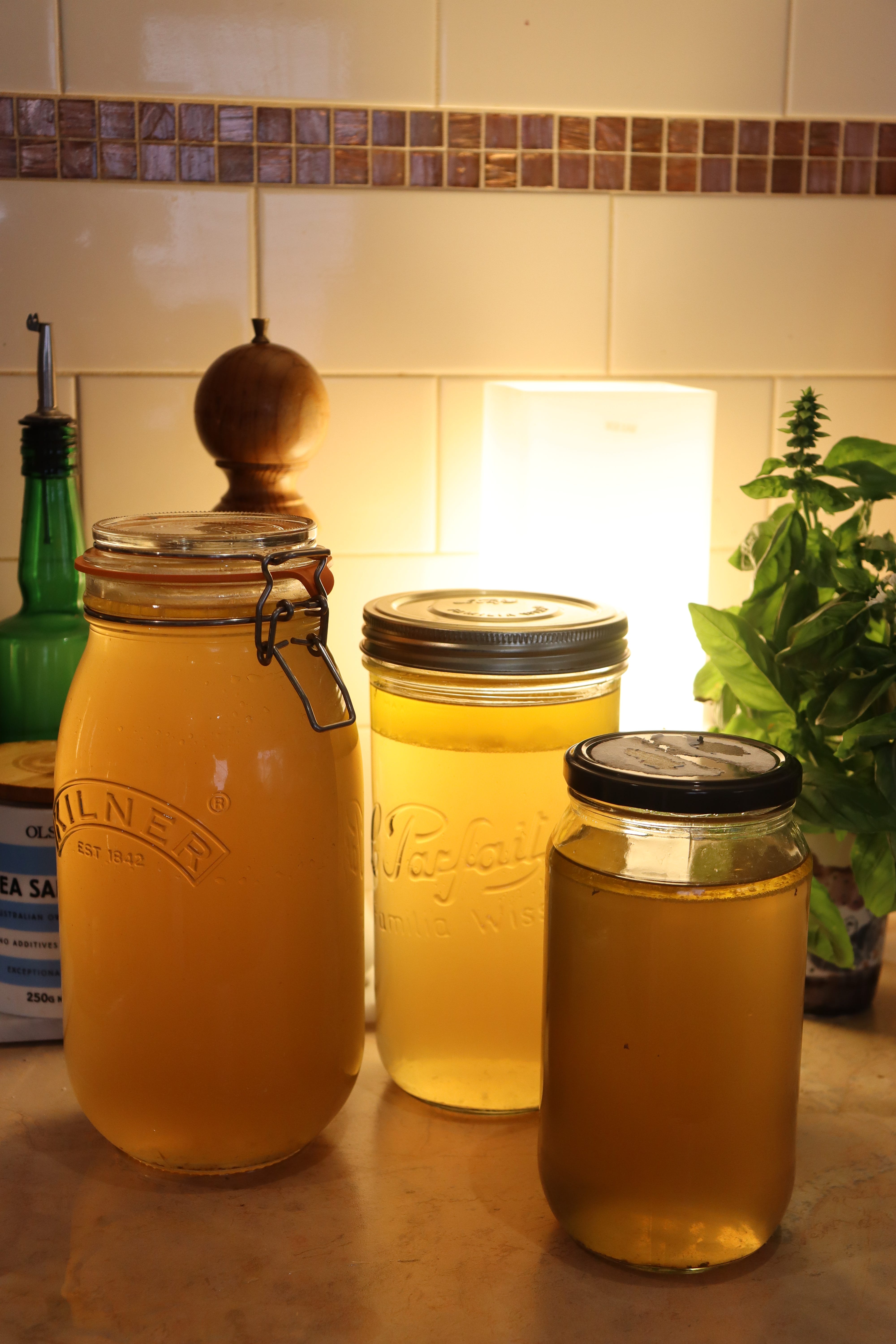
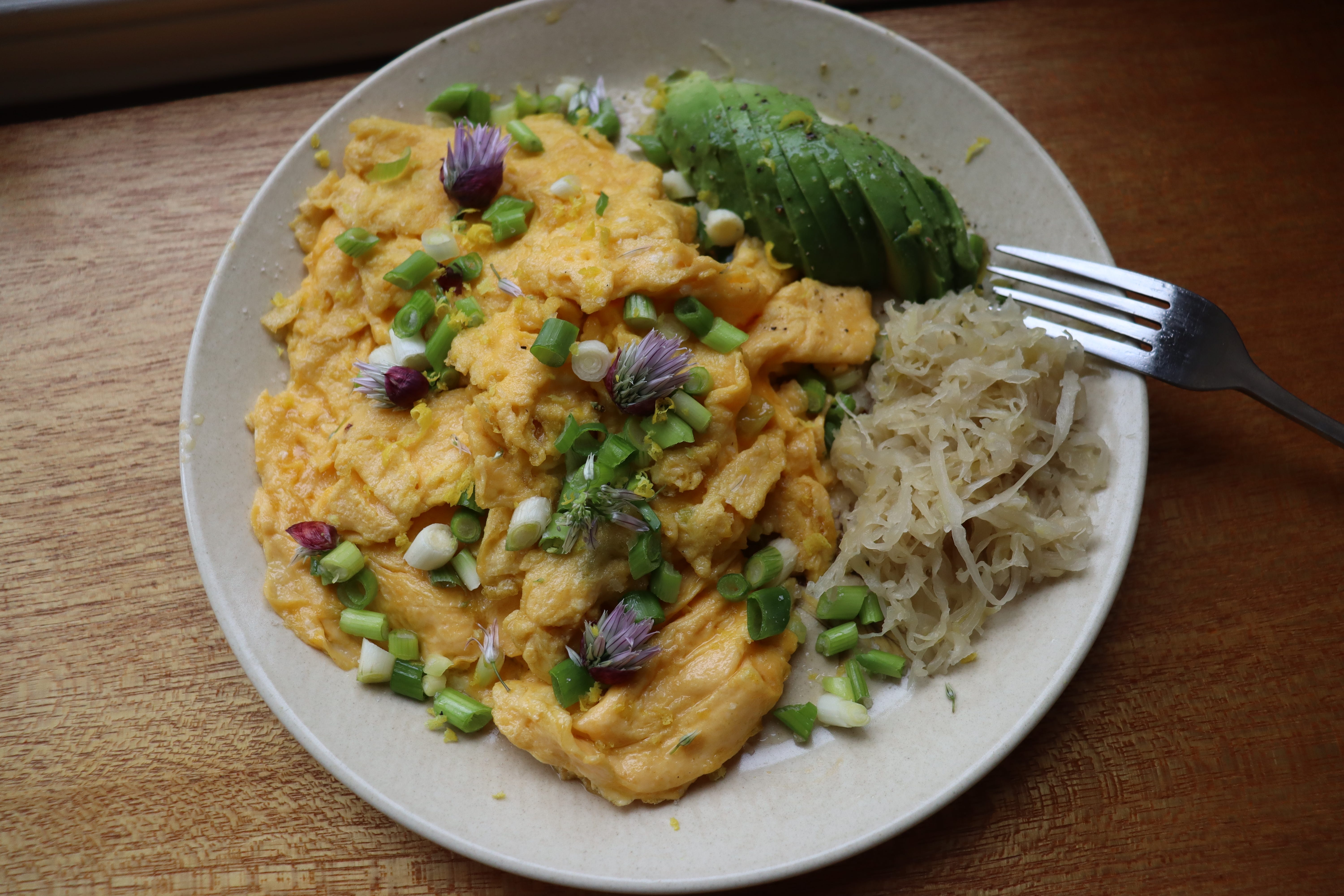
For that reason, I have recommenced the GAPS nutritional protocol after dallying with it half-heartedly a few years ago in response to some less distressing health issues I had. GAPS is an ancestral dietary protocol, developed by the legendary Dr Natasha Campbell-McBride, that prioritizes gut healing as the ground zero for the resolution of all manner of psychological and physiological conditions, chronic and degenerative diseases. Probiotic foods, like properly fermented yoghurt, sour cream, kefir and sauerkraut, as well as nourishing meat and fish stocks are the mainstay of the diet. High quality pastured animal fats are eaten in unlimited abundance. Things like sugar, flour and potatoes are excluded temporarily. But the thing that I love about GAPS, and the thing that won me over, is that it does not set out to demonise any particular foods for the sake of it. It does not say: flour and sugar are evil in and of themselves. It says: your gut needs a break from flour and sugar at the moment, because it’s not robust enough to deal with them right now, but it should be. The GAPS shtick is that all humans should have healthy enough guts to digest these things without deleterious effect, without causing inflammation, without throwing off the microbiome and inducing disease. These foods should be tolerated, in sensible quantities, because a strong and diverse microbiome is by nature tolerant.
I won’t be strictly on GAPS forever, but as far as diets go, it’s one of most nourishing, wholesome and sensible ones I’ve come across. I brought my daughter onto solids following GAPS principles just over a year ago, and now it’s my turn to nurse myself back to health by following it more closely while my body recovers.4 I’ll be sharing GAPS recipes and other aspects of my healing journey on here moving forward, as well as on an instagram I’ve opened up for this purpose: penelopes.loom (+sourdough baking which I’m still doing for family & friends, and other shenanigans).
Some medication has also been involved — fortunately now quite mild and very low dose — but in fact part of my healing has been coming to accept pharmaceutical help where it is needed, and understanding that it can very much be an ally despite not neatly fitting into the picture of a “natural” and wholefoods lifestyle. In fact, it is not natural to insist that modern medical interventions have no place in our lives; to do so would reject the broader picture of human ingenuity and creativity, which is about as essential to our true natures as eating and sleeping.
But perhaps the most healing thing of all has been realising — really feeling in my bones, not just affirming — that I can always choose. I can always choose love. I can always choose joy. I can also choose to believe in my own wholeness. I can always choose to feel better, even if only incrementally. I’ve had mornings these past few months, especially at the height of the onset of this flare, where I would “wake up” after barely 30 minutes of sleep (sleep disturbances were one of my most debilitating symptoms, thankfully now mostly resolved) and with the most indescribable numb aching pain and inflammation throughout my entire body. But even on those mornings of agony, I could always choose to smile at my daughter, hug my fiance, get up out of bed, go outside and drink in the early morning sunlight. I could always choose to dance around the room or take a cold shower or go for a run, even if only for 2 minutes.5 I could always choose to be an agent, not a victim.
If you look at all the various methodologies and approaches people use to recover from all kinds of mental and physical ailments, you’ll realise that they all share one fundamental characteristic: they all attempt to affirm, to embrace and almost to will, what are otherwise supposedly “involuntary” processes and afflictions. Take cold immersion: rather than exposure to the cold being something that “happens to you,” causing your body to involuntarily shiver and prick up with goosebumps, the Wim Hoff method encourages us to willingly expose ourselves to the cold; to willingly find relaxation in what would otherwise trigger a fight or flight survival response and a cascade of instincts that prompt avoidance and aversion. Take breathwork: rather than the pattern of inhalation and exhalation being something that ticks along in the background with no conscious effort or awareness, we bring this process temporarily into consciousness — depending on the breathing technique, we find a way either to will each inhale and exhale (as in the Wim Hoff breathing exercises), or otherwise, we find conscious unity with the breathe through observation, as in forms of meditation like Vipassana. While meditating, we observe rather than blindly identify with every thought — and all of this requires us to release the perception that things are simply “happening to us,” rendering us an object, a victim. In these states, we fuse the subject and object and thereby find freedom from the trappings of one or the other.
I really believe that the belief in one’s own victimhood is one of the biggest sources of emotional and indeed physical inflammation. Even the best among us indulge this narrative from time to time, and like sugar, it gives us a hit of comfort while feeding the pathogenic energies in our soul. I’m more convinced than ever that the greatest psychological and spiritual task of our lifetime is the striving up and away from the pits of victimhood towards the heights of individual agency. It’s a striving to own one’s life in all its depth and variation, including its suffering — to love one’s fate so deeply that you would live it all over again in every detail, willing all the joy, and especially, willing all the pain, rather than being a victim of it.6 Hence, the first and most important step in any “healing journey” (and we are all ultimately on one, however painfully new-age the phrase now sounds), is the affirmation that the body and self can indeed heal, because the self is ultimately whole, and that wholeness can be redeemed at any moment. The first step is a yes to life. It’s a probiotic.
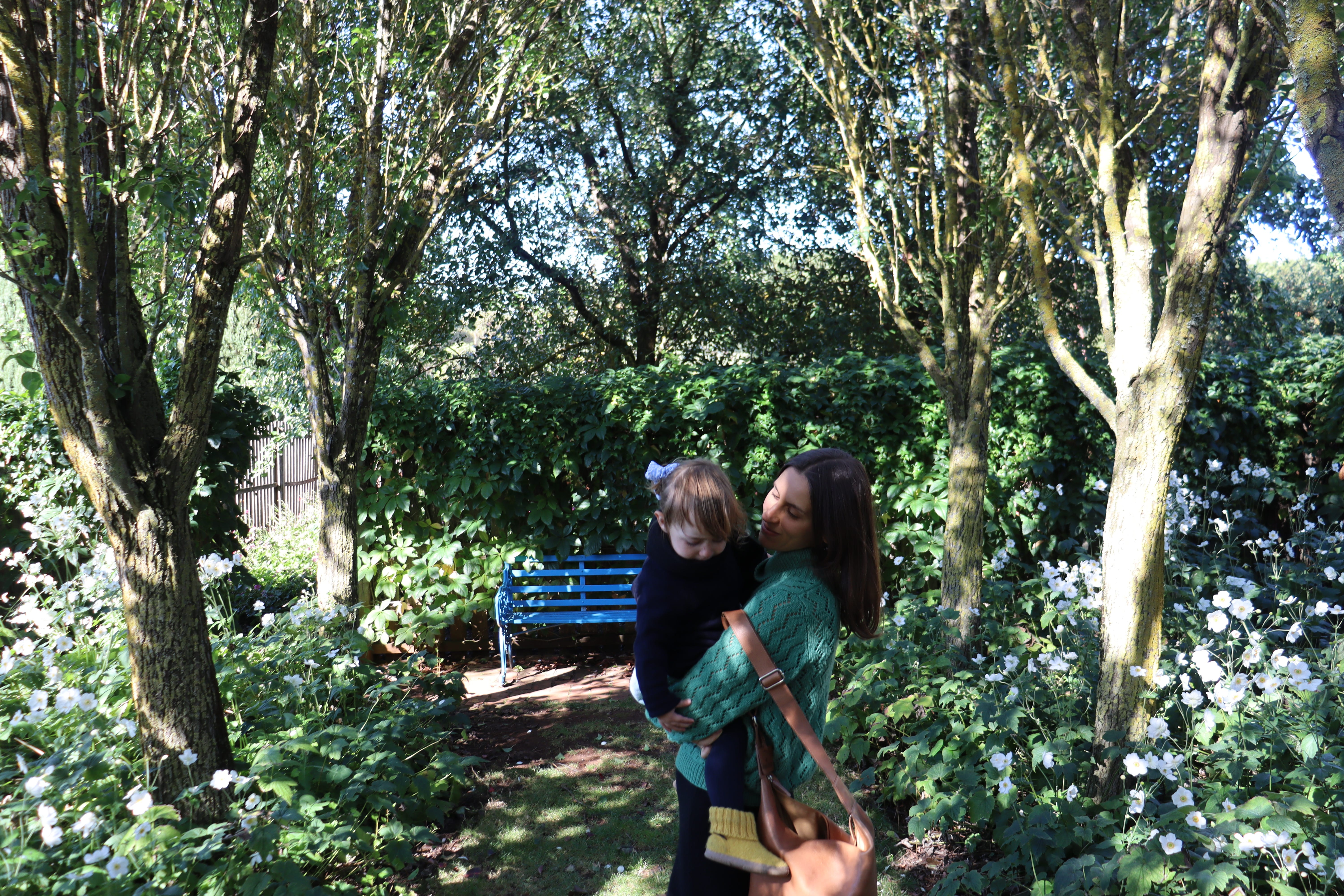
Two years ago I gave birth to my daughter, and just as I finished up nursing her, illness has blessed me with a chance to give birth again — to a greater version of myself. There is no transformation without pain, and any mother who has laboured and birthed knows this in every cell of her body. Sometimes, though, while caring for all the little ones around us, we forget that we must also become mothers, over and over again, to new and improved versions of ourselves.
I hope you will enjoy the new reflections coming from my experience of illness and healing, alongside my usual musings on food, fibre, and Quality — and thank you to those of you who have journeyed with me here so far!
With love x
Penelope
Antibiotics no doubt have their place. I had to take them recently for the infection that exacerbated my most recent health hiccups. But in their wake, I’m ever more convinced that health can only be properly optimised when it rests on a daily yes to life and not simply the intermittent response to acute diseases.
I didn’t even know these programs existed until I got sick. I’m doing Primal Trust, but there are various others: the Gupta Program, DNRS, etc.
And I mean actually meditating — when you genuinely experience the meditative flow-state (I don’t every time I sit to meditate but have a handful of times now), you finally get why everyone carries on about meditation
Interestingly enough, I did a complete microbiome mapping stool test a couple months ago and it showed a very significant overgrowth of pathogenic Klebsiella bacteria which are known to be linked to various inflammatory conditions. So there is indeed something measurable that needs to be addressed: Klebsiella thrives on simple carbohydrates and starches, so cutting the latter out for a time on the GAPS diet makes perfect sense to bring my flora back into balance.
My “subtype” of “POTS” is the kind where I feel better moving than I do resting, not the kind where you faint upon standing or have minimal exercise tolerance. But even if I had been bed-ridden, I know I could have always chosen to move my body in some small, gentle way that would make it feel a bit better, even if only through breathwork.
Yes, Nietzsche’s eternal recurrence. Amor fati. Christ and Sisyphus could not be more illustrative here
It is lovely to see you back on Substack. I will be praying that your health continues to return to you!
Glad you are back! I was wondering :)